






















Latest Stories from Derrick
The disturbing rise in youth recruitment by terrorist organizations
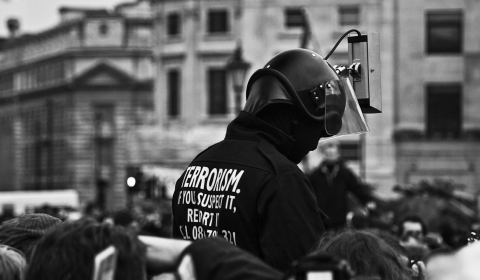
In 2024, the global fight against terrorism has taken an alarming turn, as teenage recruitment into extremist organizations reaches its highest levels. The latest Global Terrorism Index (GTI) 2025 report reveals an 11% rise in terrorism fatalities, with more than 50% of the deaths concentrated in the Sahel region. More disturbingly, one in five terror suspects in several Western countries is now under the age of 18. The Islamic...

South Sudan shuts schools as extreme heat overwhelms students
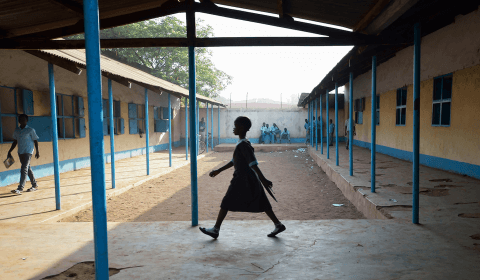
In South Sudan, a relentless heatwave is forcing the government to shut down schools for the second year in a row, with a temperature as high as 42 degree Celsius posing a real threat. The South Sudanese government has closed all schools for a period of two weeks after dozens of students collapsed due to extreme heat. The announcement came after reports that an average of 12 students fainted...
Ancient Egyptian mummies still smell pleasant after 5,000 years
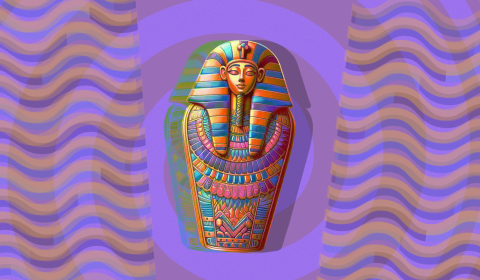
Even after spending millennia entombed in stone sarcophagi, some ancient Egyptian mummies still emit a surprisingly pleasant scent, research has discovered. In a recent study combining science with sensory exploration, researchers have discovered that ancient Egyptian mummies, some preserved for over 5,000 years within their sarcophagi, emit surprisingly pleasant aromas. The researchers noted these mummies release scents described as ‘woody,’ ‘spicy,’ and ‘sweet.’ The revelation sets a new path...
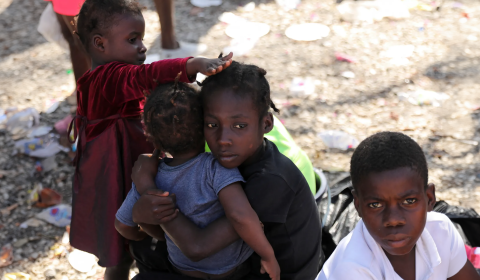
30-50% of Haiti gang members are reportedly children
The ongoing gang violence in Port-au-Prince and surrounding neighborhoods are wrecking the lives of thousands of children across Haiti. The United Nations Children’s Fund (UNICEF) estimated 30% to 50% of gang members in Haiti are now children, mostly aged between 12 to 17 years who act as spies and soldiers. Further, a new report by Amnesty International, released last week, has revealed that dozens of children have been...
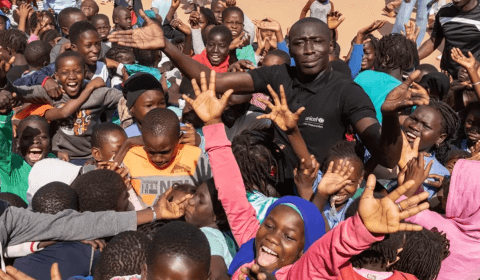
Khaby Lame appointed UNICEF Goodwill Ambassador
The world’s most-followed TikToker, Khaby Lame, was recently appointed as UNICEF Goodwill Ambassador advocating for children’s rights and addressing pressing humanitarian issues. UNICEF officially announced Lame’s appointment during an event in Dakar, Senegal, describing his journey from humble beginnings to a global icon - highlighting the spirit of hope that the organization champions for children. ‘It’s a true honour to be appointed as a UNICEF Goodwill Ambassador and be...

Why did South Sudan ban social media recently?
Last week, the South Sudanese government imposed a social media ban in an effort to curb the circulation of violent content related to the ongoing violence against its nationals living in Sudan. South Sudanese authorities gave a 30-day ban on social media to control ongoing tensions between South Sudan and Sudan’s government. The social media ban was imposed after footage of South Sudanese nationals were shared on social media platforms being...
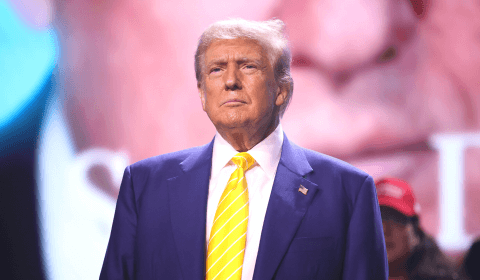
Understanding Trump’s impact on Africa
President Donald Trump's return to the White House has introduced a series of policy reforms that will significantly impact African nations. President Trump’s changes include an array of environmental commitments, trade dynamics, foreign aid distribution, and social policies, each carrying worrying implications for the continent. One of Trump's initial actions was to recommence the United States' withdrawal from the Paris Climate Agreement. This decision mirrors his 2017 exit, which was...
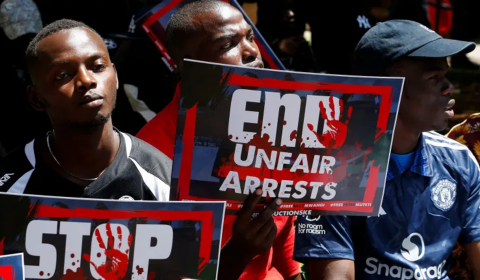
Understanding Kenya’s activist abduction crisis
Kenya has been gripped by a chilling wave of abductions targeting young people, particularly Gen Z, whose voices have been at the forefront of activism and dissent. According to the Kenya National Commission on Human Rights (KNCHR) report, more than 85 young Kenyans have been abducted, with 29 still missing and some confirmed dead - since the Gen Z led protests in June last year. The recent surge in...
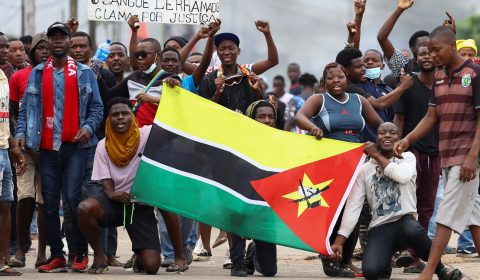
Explaining Mozambique’s post-election crisis
Mozambique's contentious general elections held in October have turned violent in recent months as thousands turned to the streets, disputing Daniel Chapo’s win led by opposition leader, Venâncio Mondlane. Mozambique violence has not only claimed hundreds of lives but also displaced thousands of people, forcing them to seek refuge in neighboring countries. The fire which ignited in October, has seen countless youths clash with police. The presidential result was much...
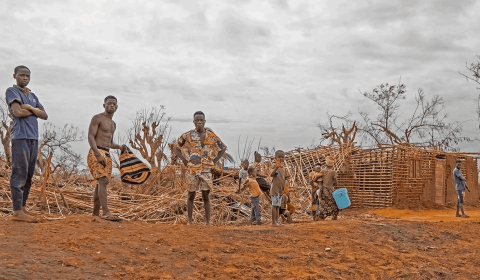
Tropical cyclone Chido wreaks havoc in Mozambique
The tropical cyclone Chido wreaked havoc in northern Mozambique affecting more than 180,000 people, and once again showed how climate change decimates the continent. According to the United Nations Office for the Coordination of Humanitarian Affairs (UN, OCHA) report, the organization confirms that the cyclone has killed at least 45 people, and the number is expected to increase. The cyclone has left thousands of people homeless and affected the livelihoods...

